



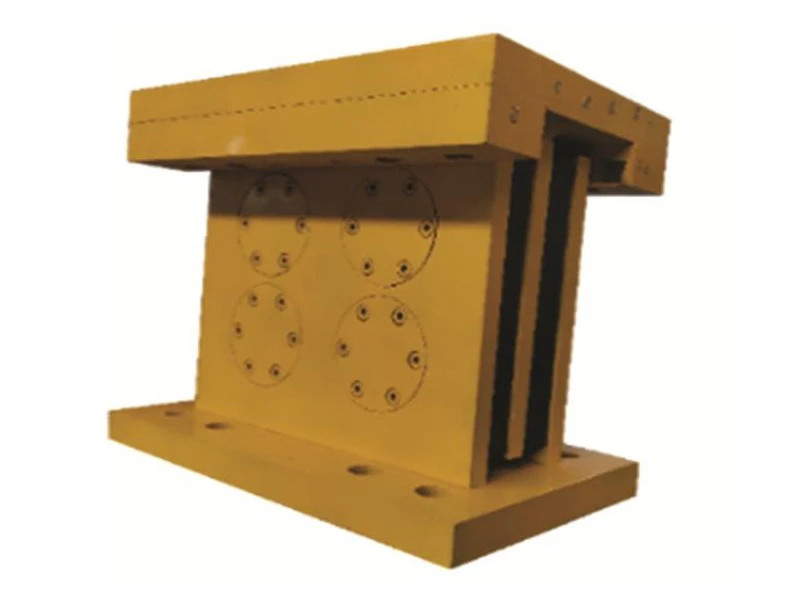

I,Product Overview
The lead viscoelastic damper, one kind of Metal Hybrid Damper(MHD), is an advanced energy-dissipating and vibration-damping device that combines the plastic energy dissipation characteristics of lead with the viscoelastic energy dissipation properties of viscoelastic materials. It can effectively absorb and dissipate energy when structures are subjected to dynamic loads, significantly reducing structural vibration responses and enhancing the safety and stability of structures. It is widely used in various fields such as building structures, bridge engineering, mechanical equipment, and aerospace, providing reliable protection against natural disasters like earthquakes and wind loads, as well as vibrations generated by equipment operation.
It is generally installed at positions where relative deformation can occur, such as diagonal braces, chevron braces, beam-column joints, truss lower chords, or between adjacent buildings. When inter-story displacement occurs in the structure, the viscoelastic damper produces shear hysteretic deformation to dissipate the input vibration energy and reduce the structural vibration response.
II,Product Structure

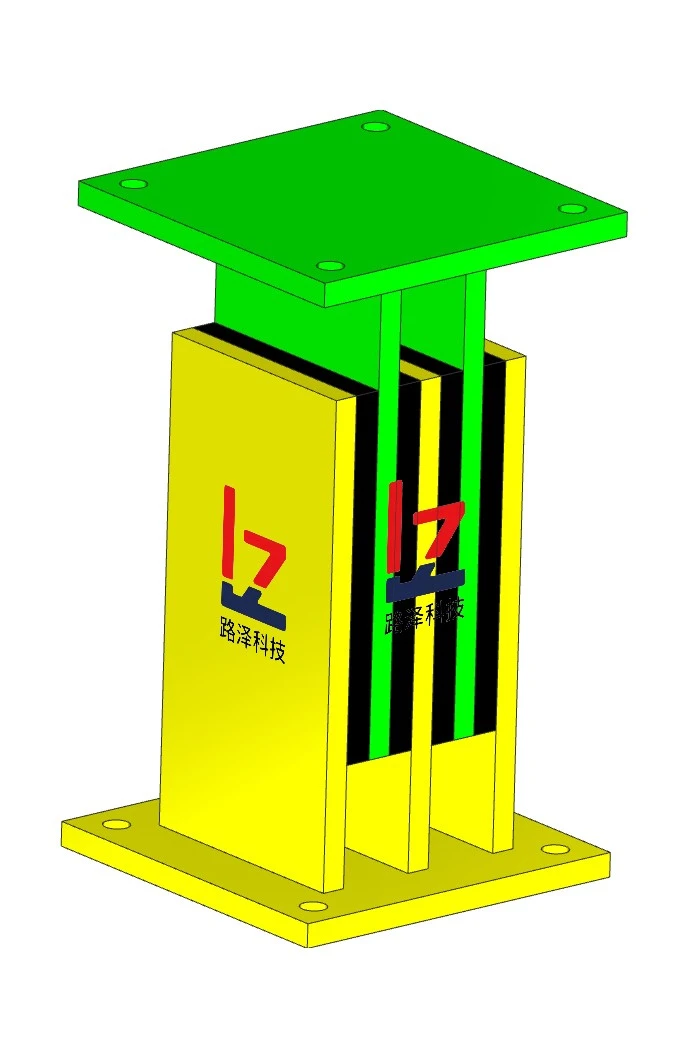
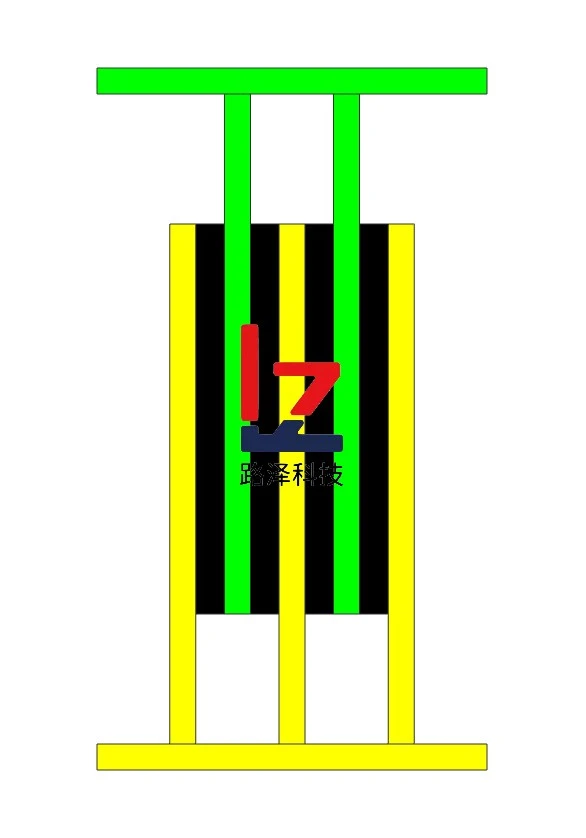
- Lead Core Component: Made of high-purity lead alloy, the lead core plays a central role in energy dissipation within the damper. It has unique properties such as high density, low melting point, high plasticity, low strength, and strong lubrication ability. Under the external forces caused by structural vibration, the lead core is prone to plastic deformation, absorbing a large amount of external input energy through this process. Moreover, with its dynamic recrystallization function, it does not accumulate plastic damage during repeated deformations, maintaining sustainable and stable energy dissipation efficiency.
- Viscoelastic Material Layer: Composed of polymeric viscoelastic materials with a special formula, this material has excellent dual properties of viscosity and elasticity. When the damper is in operation, the viscoelastic material undergoes shear hysteretic deformation with the structure's vibration. The molecular chains within the material rub and slide against each other, efficiently converting mechanical energy into thermal energy to achieve energy dissipation. Meanwhile, the viscoelastic material also coordinates and restricts the deformation of the lead core, ensuring the overall performance stability of the damper.
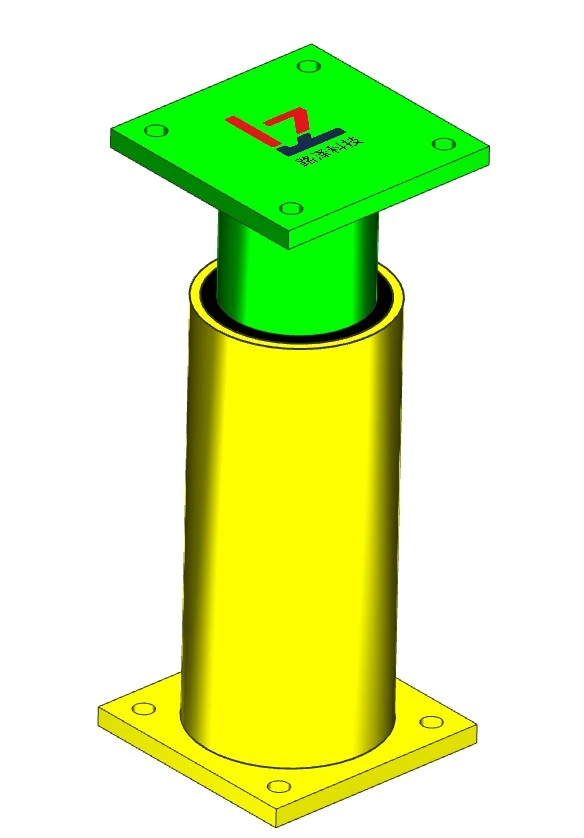
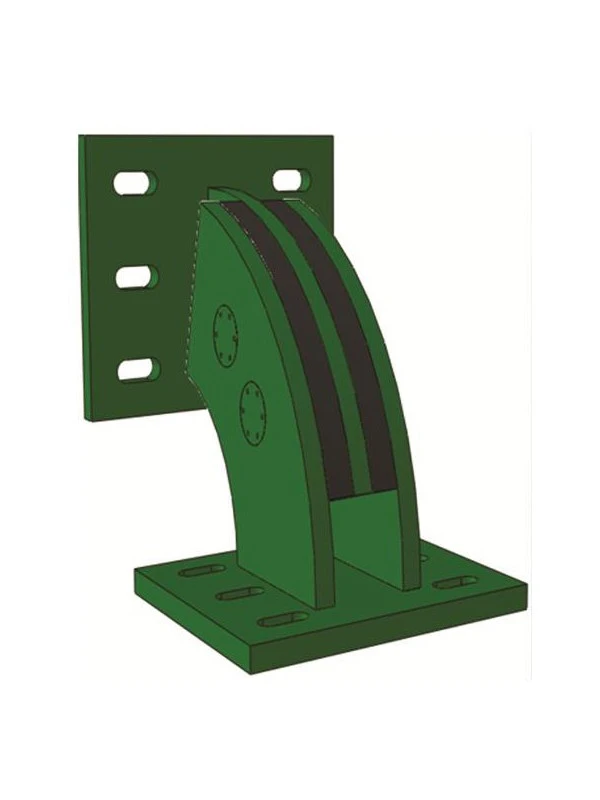
- Body and Connectors: The sturdy body encapsulates and protects the lead core and viscoelastic material from external environmental erosion and physical damage. Connectors are responsible for firmly installing the damper onto the target structure, ensuring effective force transfer between the damper and the structure, and guaranteeing the damper's normal operation under various working conditions.
III,Working Principle
1, Lead Core Energy Dissipation Mechanism:
When the structure is subjected to vibration excitation, and the generated external forces are transmitted to the lead viscoelastic damper, the lead core responds first. Due to the low yield strength of lead, it enters the plastic deformation state under small external forces. During plastic deformation, the crystal structure within the lead core slides and rearranges, a microscopic process that consumes a large amount of energy, converting the mechanical energy of vibration into thermal energy within the lead core to be dissipated. Additionally, the dynamic recrystallization characteristic of lead allows it to rapidly restore its internal organizational structure after each deformation, maintaining good energy dissipation performance even after multiple cyclic deformations, providing continuous and stable energy dissipation support for the structure.
2, Viscoelastic Material Energy Dissipation Mechanism:
At the same time, the viscoelastic material layer also plays a role. As the structure vibrates, the viscoelastic material is deformed by shear forces. During deformation, the molecular chains inside experience internal friction due to intermolecular interactions and the curling/extension movement of the molecular chains themselves. This internal friction converts the input mechanical energy from the outside into thermal energy, achieving the purpose of energy dissipation. Furthermore, the deformation of the viscoelastic material has a certain elastic recovery ability, which can drive the structure to reset to a certain extent when the vibration external force decreases or disappears, helping to reduce the residual deformation of the structure.
3, Collaborative Working Mode:
The lead core and viscoelastic material do not work independently but complement each other synergistically. They have strong energy dissipation capacity, with a loss factor reaching 60%-70%, a full hysteresis curve area, reset ability, and stable operation. In the initial stage of structural vibration, the viscoelastic material, with its sensitive response to small deformations, takes the lead in energy dissipation, providing initial damping for the structure. As the vibration intensifies, the lead core enters the plastic deformation state, undertaking the main energy dissipation task and exerting its powerful energy dissipation capacity. Throughout the process, the viscoelastic material continuously constrains and regulates the deformation of the lead core, making the lead core's deformation more uniform and stable, and avoiding failure caused by local stress concentration. The collaborative work of the two enables the lead viscoelastic damper to efficiently absorb and dissipate energy under different intensities of vibration, providing all-round protection for the structure.
IV,Performance Characteristics

1,Excellent Energy Dissipation Capacity:
The lead viscoelastic damper combines the dual energy dissipation advantages of the lead core and viscoelastic material, efficiently converting the mechanical energy of structural vibration into thermal energy and dissipating it under various dynamic loads. Its energy dissipation capacity is much higher than that of traditional single-energy-dissipating element dampers, significantly reducing the vibration amplitude of structures under earthquakes, wind vibrations and lowering the risk of structural damage.
2,Strong Deformation Adaptability:
Whether it is the large displacement that may occur in the structure under earthquake action or the large vibration deformation in the operation of mechanical equipment, the lead viscoelastic damper can cope with it. The good plastic deformation ability of the lead core and the large deformation characteristics of the viscoelastic material enable the damper to work stably within a large deformation range without failing due to excessive deformation, providing a strong guarantee for the safety of the structure under extreme working conditions.
3, Outstanding Fatigue Resistance:
Verified by numerous tests and practical engineering applications, the lead viscoelastic damper has excellent fatigue resistance. Under long-term and frequent vibration loads, the dynamic recrystallization of the lead core and the stable performance of the viscoelastic material ensure that the damper always maintains good energy dissipation effects without performance degradation due to fatigue damage. This means the damper has a long service life and can provide lasting and reliable protection for the structure.
4, Good Temperature Stability:
Within a certain temperature range, the performance of the lead viscoelastic damper is less affected by temperature changes. The physical properties of lead are relatively stable, and the viscoelastic material is also designed with a special formula, having good temperature adaptability. Generally, it can work normally in the temperature range of -20°C to 60°C, meeting the needs of most engineering environments. Even in environments with drastic temperature changes, the stable performance of the damper can be ensured through appropriate protective measures.
5, Moderate Stiffness Contribution:
While dissipating energy, the lead viscoelastic damper can also provide a certain additional stiffness to the structure. This helps change the natural vibration period of the structure, making it avoid the main frequency range of external excitations such as earthquakes and wind loads, thereby reducing the possibility of structural resonance. By reasonably designing the stiffness of the damper, the dynamic characteristics of the structure can be optimized, further enhancing the seismic and wind resistance performance of the structure.
V,Product Types

1, Hybrid Lead Viscoelastic Damper:
This damper innovatively realizes a two-stage energy dissipation function by setting gaps between energy dissipation structures. When the structure is subjected to small vibration effects, such as small displacements caused by moderate earthquakes or wind loads, the first-stage energy dissipation structure is activated first to start absorbing and dissipating energy. As the vibration intensity increases, when the structure encounters large earthquakes or large displacements caused by wind-earthquake combined coupling effects, the first-stage energy dissipation structure pushes the second-stage energy dissipation structure to start working, and the two stages of energy dissipation structures work together to fully tap the energy dissipation potential of the damper. This two-stage energy dissipation mechanism can better adapt to different intensities of vibration and meet diversified seismic performance requirements. Moreover, its structural design is relatively simple, facilitating maintenance and installation.
2, Multi-Lead-Core Viscoelastic Damper:
This damper adopts a layout of multiple lead cores in its structure, with the lead cores working in coordination with the viscoelastic material layer and rigid material layer. The setting of multiple lead cores effectively improves the initial stiffness and energy dissipation capacity of the damper, enabling it to maintain stable working performance, having energy dissipation capacity in all directions when subjected to complex deformations of tension, bending, and shearing. The multi-lead core viscoelastic damper is connected to the embedded parts in the structure or support through bolts, with flexible and diverse arrangement methods, which is convenient to install in practical engineering and will not affect the use function of the building.
VI,Application Fields
1, Building Structures:
In the seismic design of new buildings, lead viscoelastic dampers can be ingeniously arranged at key parts of the structure, such as the beam-column joints of frame structures and the coupling beams of shear wall structures. By absorbing and dissipating seismic energy, the internal forces and displacements of the structure under earthquake action are reduced, the seismic performance of the building is improved, and the life and property safety of residents are protected. For the seismic reinforcement and renovation projects of existing buildings, lead viscoelastic dampers also play a significant role. There is no need for large-scale demolition and reconstruction of the original structure; simply installing dampers reasonably can significantly enhance the seismic capacity of the structure and extend the service life of the building.
2, Bridge Engineering:
As an important part of transportation infrastructure, bridges face threats from various dynamic loads such as earthquakes, wind loads, and vehicle vibrations. Installing lead viscoelastic dampers at the positions between bridge piers and girders, bridge expansion joints can effectively reduce the vibration response of bridges under these loads, preventing serious consequences such as fatigue damage, excessive displacement, or even collapse of bridge structures due to excessive vibration. It ensures the safe operation of bridges and the smooth flow of transportation.
VII,Installation and Maintenance

1, Installation Methods
a) Building Structure Installation:
When installing lead viscoelastic dampers in building structures, first determine the installation position of the damper accurately according to the design requirements. For connections with concrete structures, embedded connectors should be pre-embedded before concrete pouring to ensure the accurate position of the connectors. When installing the damper, fasten the damper to the pre-embedded connectors with high-strength bolts to ensure the reliability of the connection. For steel structure buildings, the damper can be firmly installed at the specified position by welding or bolt connection.
b) Bridge Engineering Installation:
When installing dampers on bridges, first cleaning the surface of the installation parts such as piers and girders to ensure the installation surface is flat and clean. For dampers installed between piers and girders, connecting the dampers to the piers and girders reliably through connectors such as pins and ear plates to ensure that the dampers can accurately transmit the structural forces. During the installation process, strictly controlling the installation angle and position deviation of the dampers to ensure they can normally exert their energy dissipation function.
2, Maintenance Points
a) Regular Inspection:
It is recommended to conduct a comprehensive inspection of the lead viscoelastic damper every certain period (such as half a year or a year). The inspection content includes whether the appearance of the damper is damaged, whether the connectors are loose, and whether the lead core has obvious deformation or corrosion. If problems are found, they should be dealt with in a timely manner.
b) Cleaning and Maintenance:
Keeping the surface of the damper clean, avoiding the accumulation of dust, debris, which may affect its heat dissipation and normal operation. For dampers exposed to outdoor environments, regular anti-rust treatment should be carried out, such as painting anti-rust paint and other protective coatings, to prevent the body and connectors of the damper from rusting and corroding.
c) Performance Monitoring:
In some engineering projects with high requirements for structural safety, professional monitoring equipment can be used to conduct real-time monitoring of the performance of lead viscoelastic dampers. Monitoring parameters include the force condition and deformation condition of the damper. Through the analysis of monitoring data, the working status of the damper can be understood in a timely manner, and if abnormal performance is found, corresponding maintenance or replacement measures should be taken immediately.
VIII,Technical Parameters and Selection Guide

1, Technical Parameters
a) Damping Force:
The damping force is one of the key technical parameters of the lead viscoelastic damper, reflecting the magnitude of resistance that the damper can provide under unit deformation. Different models of dampers have different design values of damping force, ranging from tens of kN to hundreds of kN, which can be reasonably selected according to the scale of the structure, force characteristics, and design requirements.
b) Deformation Capacity:
The deformation capacity characterizes the maximum deformation that the damper can withstand, usually expressed in the form of displacement or rotation angle. The lead viscoelastic damper has a large deformation capacity, able to adapt to the large displacement that may occur in the structure under disasters such as earthquakes, ensuring normal work and energy dissipation under large deformation conditions.
c) Stiffness:
The stiffness of the damper has an important influence on the dynamic characteristics of the structure. By adjusting the size of the lead core, the formula of the viscoelastic material, and the structural form of the damper, the stiffness of the damper can be regulated to meet the design requirements of different structures. Reasonable stiffness design helps optimize the natural vibration period of the structure and avoid structural resonance.
d) Energy Dissipation Coefficient:
The energy dissipation coefficient is an important indicator to measure the energy dissipation efficiency of the damper, reflecting the ratio of the energy dissipated by the damper in a vibration cycle to the input energy. The lead viscoelastic damper has a high energy dissipation coefficient, generally above 0.5, indicating that it can efficiently convert the mechanical energy of structural vibration into thermal energy and dissipate it.
2, Selection Guide
a) Determine Structural Requirements:
Before selection, a detailed dynamic analysis should be conducted on the target structure to determine the force condition, displacement response, and requirements for the energy dissipation capacity of the damper under different working conditions (such as earthquakes, wind loads). Clarifying key parameters such as the required damping force, deformation range, and stiffness adjustment requirements of the structure.
b) Consider Environmental Factors:
According to the installation environment of the damper as temperature, humidity, corrosive media, selecting the damper type with corresponding environmental adaptability. For example, in an environment with large temperature changes, a damper with good temperature stability should be selected; in an environment with corrosive media, a damper with anti-corrosion performance should be selected.
c) Refer to Engineering Cases:
Consult relevant engineering cases to understand the models of lead viscoelastic dampers selected under similar structures and working conditions and their actual use effects. Refer to the experience of successful cases and combine the specific characteristics of this project to make a reasonable selection.
d) Consult Professionals of our team:
If there are doubts about the selection of the damper, it is recommended to consult professionals in the field of structural engineering or the technical support team from luzetech. They have rich experience and professional knowledge and can provide accurate and professional selection suggestions according to the specific engineering situation.
IX,Precautions
1, Transportation and Storage:
During transportation, ensuring that the packaging of the lead viscoelastic damper is intact to avoid damage from collision, extrusion. Appropriate transportation tools and fixing methods should be used to prevent the damper from shifting and shaking during transportation. When storing, placing the damper in a dry and ventilated warehouse, avoiding direct sunlight and rain, and keeping it away from heat sources and corrosive substances.
2, Installation Accuracy:
When installing the lead viscoelastic damper, it is necessary to strictly follow the design requirements and installation specifications to ensure installation accuracy. Any installation deviation may lead to uneven force on the damper, affecting its normal working performance, and may even cause structural safety problems.
3, Collaborative Work with the Structure:
The lead viscoelastic damper is an energy-dissipating device that works in collaboration with the structure. In the design and use process, the interaction between the damper and the structure should be fully considered. Ensuring that the parameters of the damper match the dynamic characteristics of the structure to achieve the best energy-dissipating and vibration-damping effect.
4, Safety Protection:
During the installation, maintenance, and other operations of the damper, operators should strictly follow safety operation procedures and wear necessary safety protection equipment, such as safety helmets, safety belts, gloves, to prevent accidents.


Hot Tags: lead viscoelastic damper(lvd), China lead viscoelastic damper(lvd) manufacturers, suppliers, vibration repair, vibration amplitude, vibration procedure, vibration coupling, vibration work, vibration means


