






I, Definition, Scope and Standards
1.1, Definition
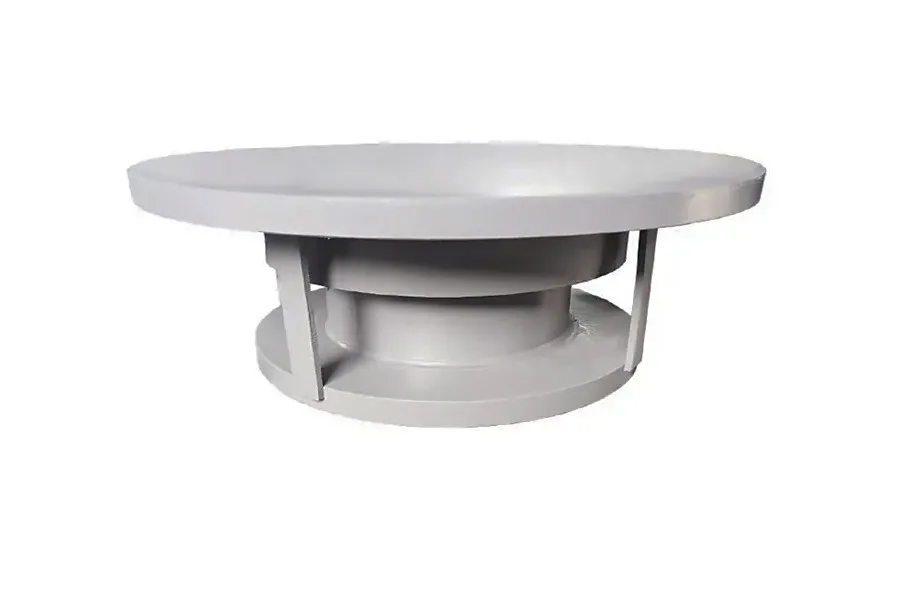
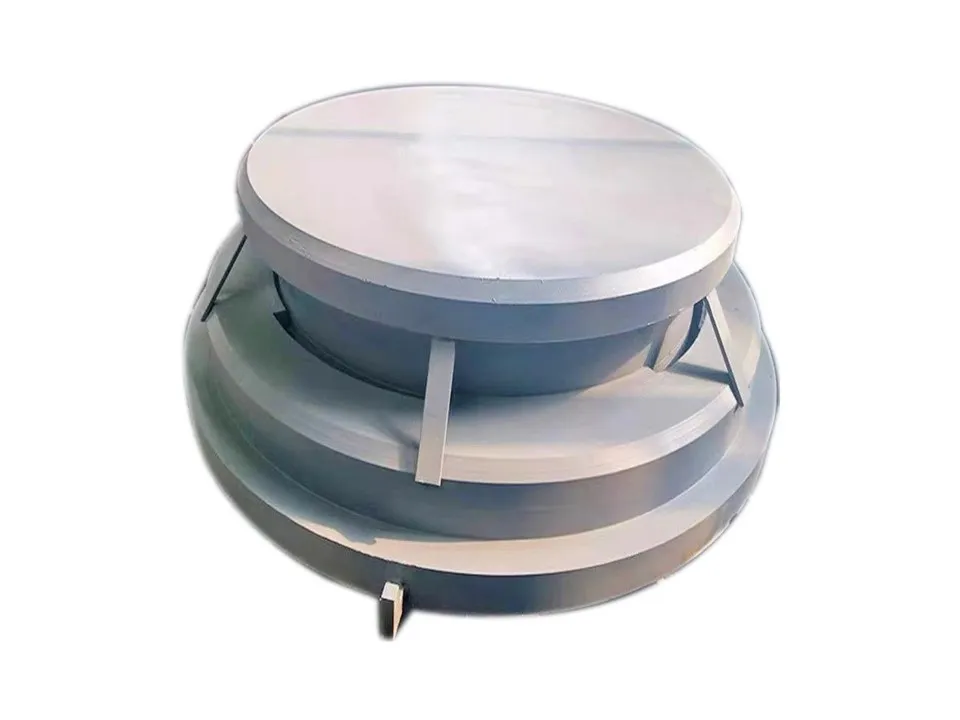
A spherical bearing is a structural device(high load multi-rotational bearing,i.e. HLMB) designed to transmit loads between a bridge superstructure and substructure while accommodating multi-directional rotations and, in some designs, limited translational movements. The bearing consists of a concave spherical surface mated with a convex spherical surface, enabling smooth angular rotation about any horizontal axis.
In bridge engineering, spherical bearings are employed to:
- Transfer vertical loads, horizontal forces, and longitudinal or transverse displacements as per design requirements.
- Allow for rotations caused by traffic loads, thermal expansion and contraction, seismic actions, creep, and shrinkage of the bridge structure.
- Provide high load-carrying capacity with minimal friction through the use of low-friction sliding materials (e.g., PTFE) and corrosion-resistant stainless steel mating surfaces.
These bearings are typically manufactured in compliance with relevant national and international standards such as GB/T 17955 (China), AASHTO LRFD Bridge Design Specifications (USA), and EN 1337-7 (Europe), ensuring performance reliability, safety, and durability in long-span and heavy-load bridge applications.
1.2, Scope
This article defines the specifications, design parameters, manufacturing requirements, testing, installation, and maintenance for Spherical Seismic Isolation Bearings (SSIB) intended for bridge applications, complying with both Chinese and international codes.
1.3, Applicable Standards:
Region | Standard Code | Title | Scope
China | GB/T 17955-2009 | Spherical Bearings for Bridges | Design, manufacturing, and testing requirements for bridge spherical bearings.
China | GB/T 32836-2016 | Spherical Bearings for Steel Structures | Additional requirements for steel structural applications.
China | JTG/T 2231-01-2020 | Specifications for Highway Bridge Bearings | Performance and quality requirements for highway bridge bearings.
Europe | EN 1337-7 | Structural Bearings – Part 7: Spherical Bearings | Material, geometry, friction, and test requirements.
Europe | EN 15129:2018 | Anti-Seismic Devices | Seismic isolation design for structural applications.
USA | AASHTO LRFD Bridge Design Specifications (2023) Section 14 | Bearings and Expansion Devices | Design methodology for spherical bearings.
UK | BS 5400 Part 9 | Bridge Bearings | Design and installation requirements.
II. Product Description
2.1, Function:
Spherical seismic isolation bearings provide a rotational interface between the bridge superstructure and substructure while allowing controlled sliding to dissipate seismic energy.
2.2, Main Components:

- 1. Upper Concave Plate – High-strength carbon steel (Q345 or ASTM A709 Grade 50) with precision-machined concave surface.
- 2. Spherical Sliding Element – Stainless steel (AISI 304/316) with bonded PTFE or UHMWPE layer.
- 3. Lower Convex Plate – Matches curvature, transfers vertical load.
- 4. Restraint System – Optional guide bars or restrainers for unidirectional movement control.
- 5. Seismic Energy Dissipation Element – Optional high damping layers.
2.3,Types and Classifications
According to different functional requirements, spherical bearings can be divided into the following types:
- 1, Fixed Spherical Bearings
- Fixed spherical bearings do not allow horizontal displacement but can rotate freely. They are suitable for structural parts that need to restrict horizontal movement while permitting rotation.
- 2, Unidirectional Sliding Spherical Bearings
- Unidirectional sliding spherical bearings allow sliding along one direction. They are applicable to structures with specific displacement requirements, such as the adjustment of longitudinal displacement in certain bridges.
- 3, Multidirectional Sliding Spherical Bearings
- Multidirectional sliding spherical bearings can slide in any horizontal direction. They are suitable for earthquake-prone areas or long-span bridges to cope with complex load conditions.
- 4, Seismic Spherical Bearings
- Seismic spherical bearings are usually equipped with damping devices, which can provide additional energy dissipation capacity during earthquakes and improve the seismic performance of structures.
2.4,Application Fields of Spherical Bearings
Due to their excellent performance, spherical bearings are widely used in the following fields:
- 1, Long-span Bridges
- In long-span bridges such as cable-stayed bridges, suspension bridges, and arch bridges, spherical bearings can effectively adapt to displacements and rotations caused by temperature changes, vehicle loads, or wind loads.
- 2, High-rise Buildings
- High-rise buildings will sway under wind loads or seismic actions. Spherical bearings can reduce structural stress and improve the stability and safety of the buildings.
- 3, Stadiums and Large-span Space Structures
- In large-span space structures such as gymnasiums and convention centers, spherical bearings can adapt to complex loads and ensure the stability and durability of the structures.
- 4, Nuclear Power Plants and Key Infrastructure
- In key infrastructure such as nuclear power plants and large dams, spherical bearings can provide reliable support and seismic resistance to ensure structural safety.
2.5, Advantages and Challenges of Spherical Bearings
1, Advantages:
• High load-bearing capacity: Can withstand loads of several thousand tons.
• Multidirectional displacement adaptability: Capable of adapting to both rotation and horizontal displacement simultaneously.
• Strong durability: Made of high-performance materials, ensuring a long service life.
• Excellent seismic performance: Widely used in earthquake-prone areas.
2, Challenges:
• High requirements for manufacturing precision: High-precision processes are needed for spherical surface processing and matching of sliding materials.
• Relatively high maintenance costs: Sliding materials or sealing devices may need to be replaced after long-term use.
• Complex design: Customized design is required according to specific engineering needs.
III. Research & Development
3.1 Technical Specifications
Design Parameters (typical production range):
Vertical Load Capacity: 1,000 – 50,000 kN
Horizontal Displacement Capacity: ±50 to ±250 mm
Rotational Capacity: ≥0.03 rad (~1.7°)
Friction Coefficient (μ): 0.03 – 0.06 (static), 0.02 – 0.05 (dynamic)
Damping Ratio (HDR type): 8 – 25%
Service Temperature Range: -40°C to +60°C (up to +70°C special)
Service Life: ≥50 years
Seismic Performance: ≥0.3g design acceleration
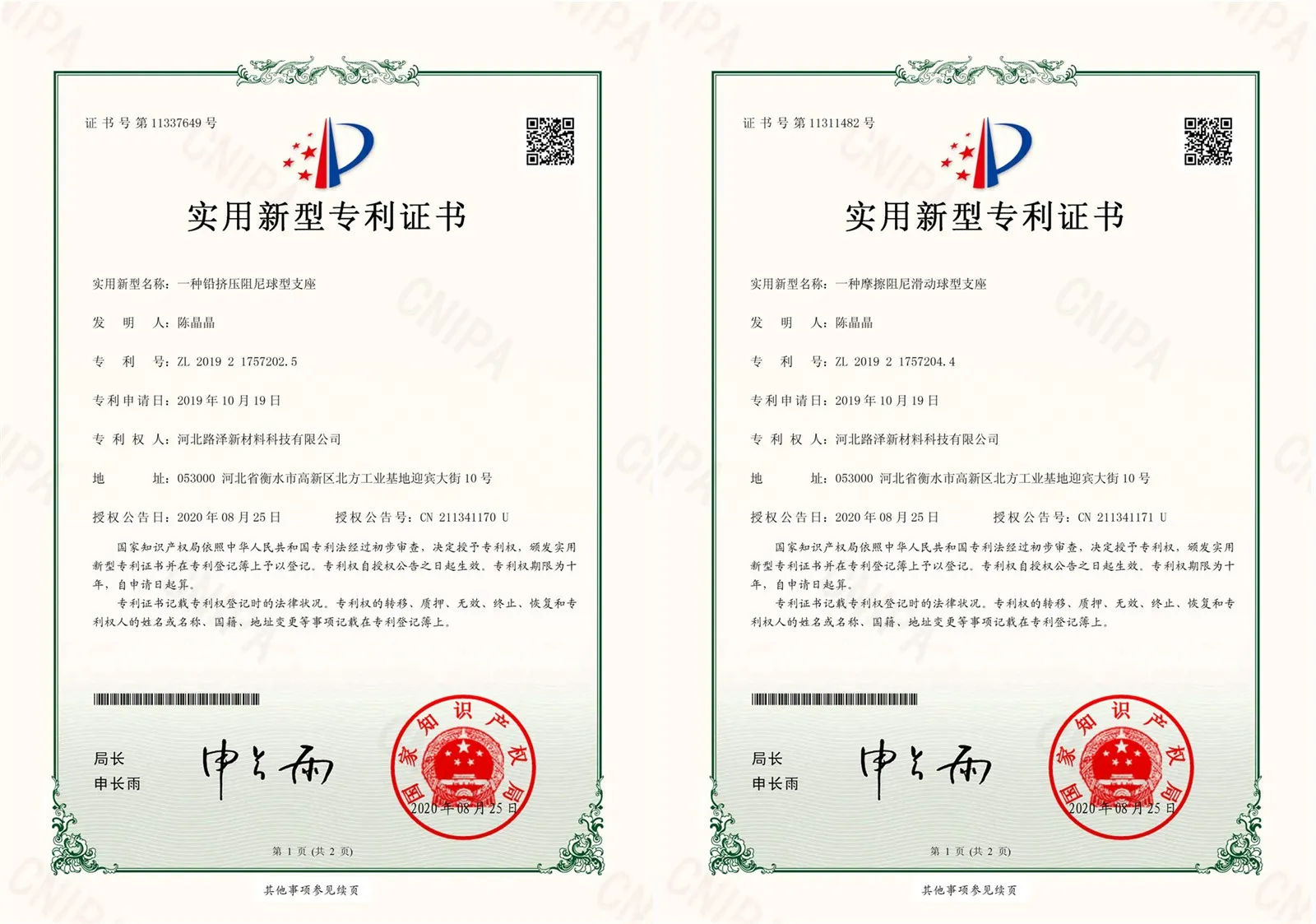
3.2, Patent
IV. Materials

Component | Material | Standard
Bearing Plates | Q345, Q420, ASTM A709 | GB/T 1591, ASTM A709
Spherical Sliding Element | Stainless Steel AISI 304/316 | ASTM A240
Sliding Surface | Virgin PTFE, UHMWPE | ASTM D4894
Lubricant | Silicone-based | Manufacturer spec
Anchorage Bolts | Grade 8.8 / ASTM A325 | GB/T 5782, ASTM A325
V. Manufacturing and Quality Control
Surface Roughness (sliding surface): Ra ≤ 0.2 μm
Flatness Tolerance: ≤ 0.5 mm per 1,000 mm
Hardness (sliding plate): ≥ HB 220
PTFE Bond Strength: ≥ 3 MPa shear
All bearings are 100% factory-tested for dimensional accuracy, load-deformation curve, friction coefficient under design load, and visual defects.
VI. Performance Verification, Testing & Quality Assurance
6.1 General Requirements
All spherical seismic isolation bearings shall undergo type tests, routine tests, and acceptance tests in accordance with Chinese and international standards.
6.2 Classification of Tests
Type Tests – Prove design compliance (once per new design)
Routine Tests – Verify production quality (each batch)
Acceptance Tests – Final product approval before delivery (100% bearings)
6.3 Specific Tests and Requirements
Vertical Load Test – Residual deformation ≤ 0.3 mm, no visible damage.
Horizontal Displacement Test – Friction coefficient μ ≤ 0.06, no surface damage after 50 cycles.
Rotational Capacity Test – Smooth motion at ≥0.03–0.05 rad rotation.
Wear and Fatigue Test – ≤1% PTFE thickness loss after cycles.
Seismic Simulation Test – Damping ratio within ±2% of design, displacement within clearance.
Temperature Tests – Friction variation ≤ ±15% from room temperature.
Corrosion Resistance Test – No coating failure after 500h salt spray.
6.4 Factory Quality Control Procedures
Incoming Material Inspection – Ultrasonic steel check, PTFE density and strength.
In-Process QC – Plate machining tolerance ±0.2 mm, weld inspection.
Final Inspection – Dimensional check, marking verification.
6.5 Documentation and Traceability
Maintain Material Test Certificates, Factory Production Control records, and Certificates of Conformance.
6.6 Acceptance Criteria Summary
Vertical Deformation ≤ 0.3 mm, Friction ≤ 0.06, PTFE Wear ≤ 1%, Rotation ≥ 0.03 rad.
6.7, Type testing & reports.
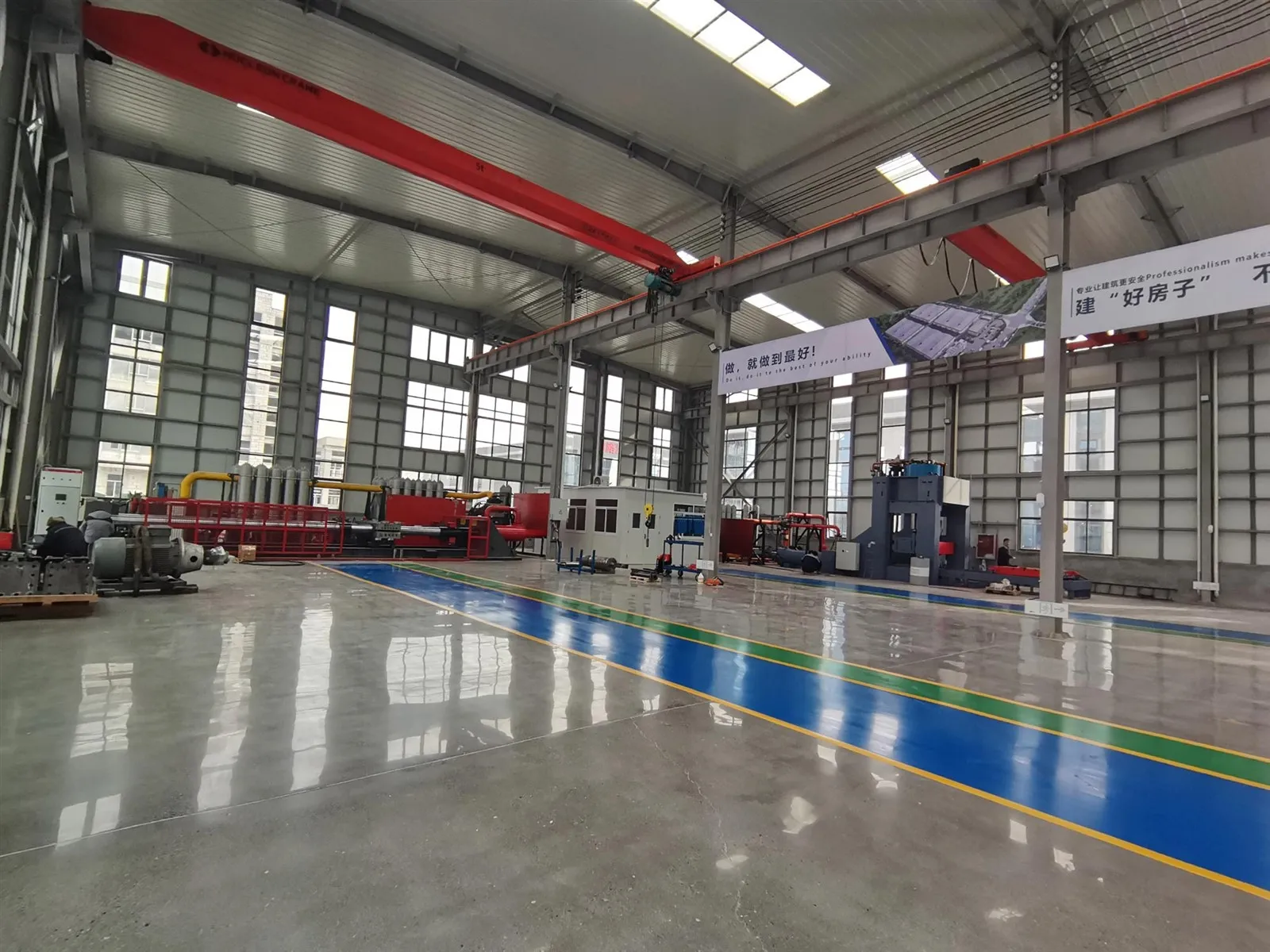
6.7.1, Testing equipment
6.7.2, Testing reports


VII. Installation Guidelines
Preparation – Check bearing seat tolerance and bolt positions.
Installation Steps – Lift superstructure, position bearing, secure, check, release jacks.
Clearance – Maintain ≥50 mm seismic gap.
VIII. Maintenance Schedule
6 months: Visual check
2 years: Functional check
5 years: Detailed inspection
25 years: Overhaul
IX. Packaging & Storage
Pack in moisture-proof wrapping, store in ventilated area, max 3 layers stacked.
X. Typical Dimensions Table

10.1, Specifications for QZ Spherical bearings for highway Bridges.
10.2, Specifications for LQZ Spherical bearings for highway Bridges
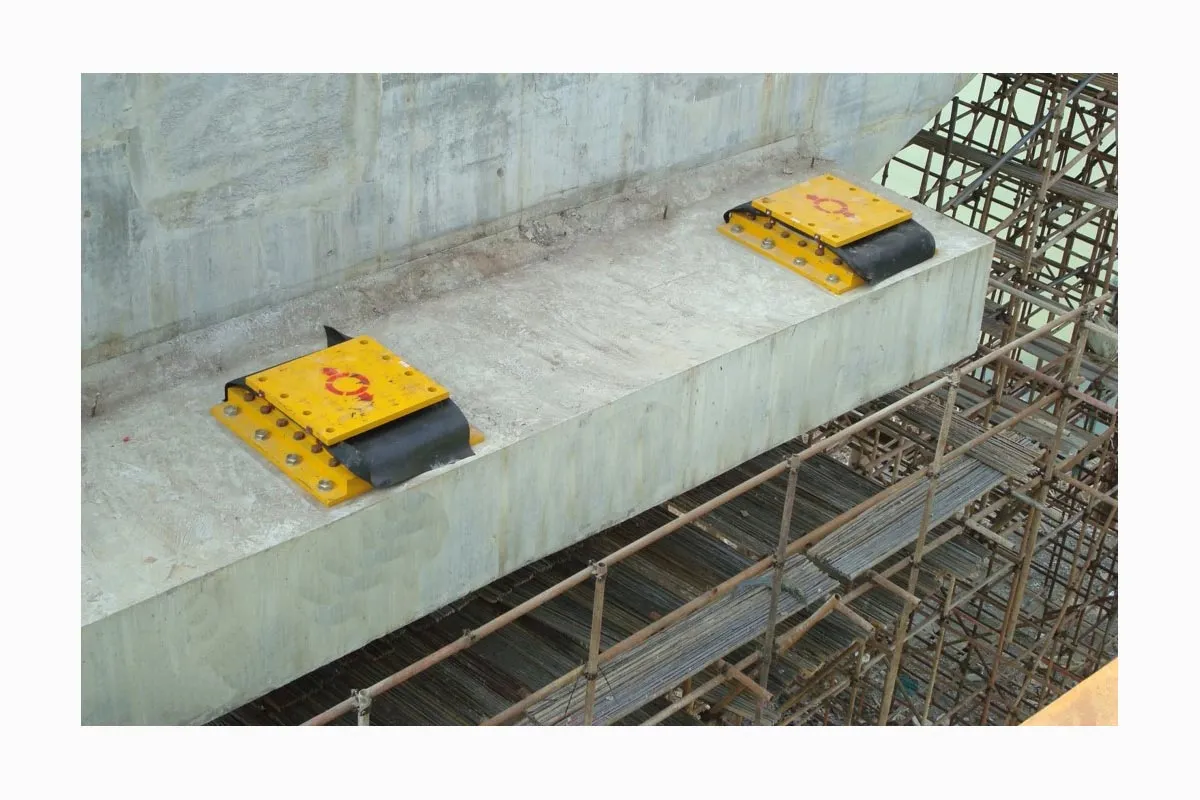
XI. Application caeses

XII, Future Development Trends of Spherical Bearings
With the development of engineering technology, spherical bearings are constantly innovating, and the following trends may emerge in the future:
- 1, Intelligent Bearings:
- Integrated with sensor technology, they can monitor the stress, displacement and wear of bearings in real time to realize intelligent early warning and maintenance.
- 2,Application of New Materials
- Materials such as graphene-reinforced composites and self-lubricating materials can improve the durability and sliding performance of spherical bearings.
- 3,Green and Environmental Protection Design
- The use of recyclable materials or low-friction environmental protection coatings can reduce the impact on the environment.
- 4, 3D Printing Technology
- The use of 3D printing technology to manufacture bearings with complex shapes can improve production efficiency and customization capabilities.

Hot Tags: spherical seismic isolation bearings for highway bridge applications(ssib), China spherical seismic isolation bearings for highway bridge applications(ssib) manufacturers, suppliers, anti seismic supports, anti seismic products for preventing building collapse during earthquakes, anti seismic products for any engineer responsible for seismic engineering, anti seismic devices, anti-seismic technology, anti seismic products for any location with earthquake potential


