Important Notes on Installation of Building Seismic Isolation Rubber Bearings

Seismic isolation rubber bearings serve as core components for building anti-earthquake protection, widely adopted in hospitals, schools, residential buildings, stadiums and lifeline infrastructure around the construction industry. Correct installation directly decides long-term anti-seismic performance, durability and service life of isolation structures. Based on national construction codes and practical construction experience, multiple critical precautions must be strictly followed throughout the whole rubber bearing installation process.
Before formal installation, full pre-construction preparation is the primary guarantee for smooth construction. Construction teams need to thoroughly study construction drawings, standards including EN15129, ISO 22762 and relevant isolation design specifications to fully understand design parameters, bearing layout positions and elevation requirements. Surveying instruments such as theodolites, precision levels and tape rulers should be fully calibrated in advance to avoid measurement errors during positioning. Meanwhile, inspect all delivered rubber bearings and matching accessories like embedded steel plates, connecting bolts and adjusting gaskets; reject defective products with damaged outer rubber anti-ageing coating before site installation.
Positioning and fixing of lower embedded base plates is the most critical step affecting installation precision. Operators shall mark cross center lines on the top surface of positioning plates and hoist components to designed locations via professional vacuum suction tools. Adjust horizontal position, elevation and flatness with wedge timbers, using level gauges and leveling staff for repeated measurement. After position calibration, spot weld embedded rebars with foundation main reinforcements for stable fixation, and recheck all dimensional data again after welding to prevent position shift caused by steel bar thermal deformation.
Two-stage concrete pouring is required for bearing base pier construction with essential venting setup. The first concrete pouring stops 20cm to 30cm below embedded plates, while secondary pouring uses high-flow non-shrink high-strength mortar with one-grade higher strength than original design standard. All bolt screw holes must be temporarily sealed before pouring to block concrete slurry from clogging threads. Remove temporary supporting timbers in time during secondary casting and polish excess concrete flush with the top surface of embedded plates. Once concrete gains initial hardness, loosen positioning bolts timely to avoid permanent locking by cured mortar, and fully clean cement residues on steel plate surfaces.
Strict dimensional tolerance standards shall be implemented during bearing setting. The flatness tolerance of base pier top surface shall not exceed 3‰, and the top flatness of installed rubber bearings is controlled within 8‰. The center plane offset of each bearing shall be less than 5mm with elevation deviation limited below 5mm; height difference among multiple bearings installed on one single pier is also restricted under 5mm, and single bearing tilting cannot exceed 1/300 of bearing diameter. When multiple bearings are arranged on one pier, all isolation components must be sourced from the identical manufacturer to keep consistent mechanical performance.
During bearing hoisting and fastening construction, follow manufacturer's designated lifting points to keep bearings horizontally lifted without lateral extrusion or rubber deformation. Place rubber bearings on cleaned embedded plates, add thin adjusting shims to compensate uneven base surface before bolt tightening. All anchor bolts need symmetric gradual fastening to avoid unbalanced stress leading to bearing inclination. After bearing fixing, erect surrounding formwork tightly against upper connection steel plates to prevent concrete leakage and rubber colloid contamination in later upper structure pouring.
Post-installation protection is indispensable to realize over 60-year designed service life of rubber bearings. Protect outer anti-ageing rubber layer from mechanical scratch or knock damage during subsequent construction. Reserve complete deformation space around isolation grooves and never allow random stacking of construction wastes or sundries to block horizontal displacement space required under seismic conditions. Property management parties shall organize regular detection every three years to measure vertical and horizontal deformation data of installed bearings, and arrange timely maintenance once abnormal deformation appears.
In conclusion, standardized installation following above precautions maximizes the anti-seismic advantages of laminated rubber bearings, helps isolated buildings achieve superior anti-earthquake targets compared with traditional construction structures. Strictly complying with installation specifications ensures stable long-term operation of isolation system and overall structural safety of buildings for decades.
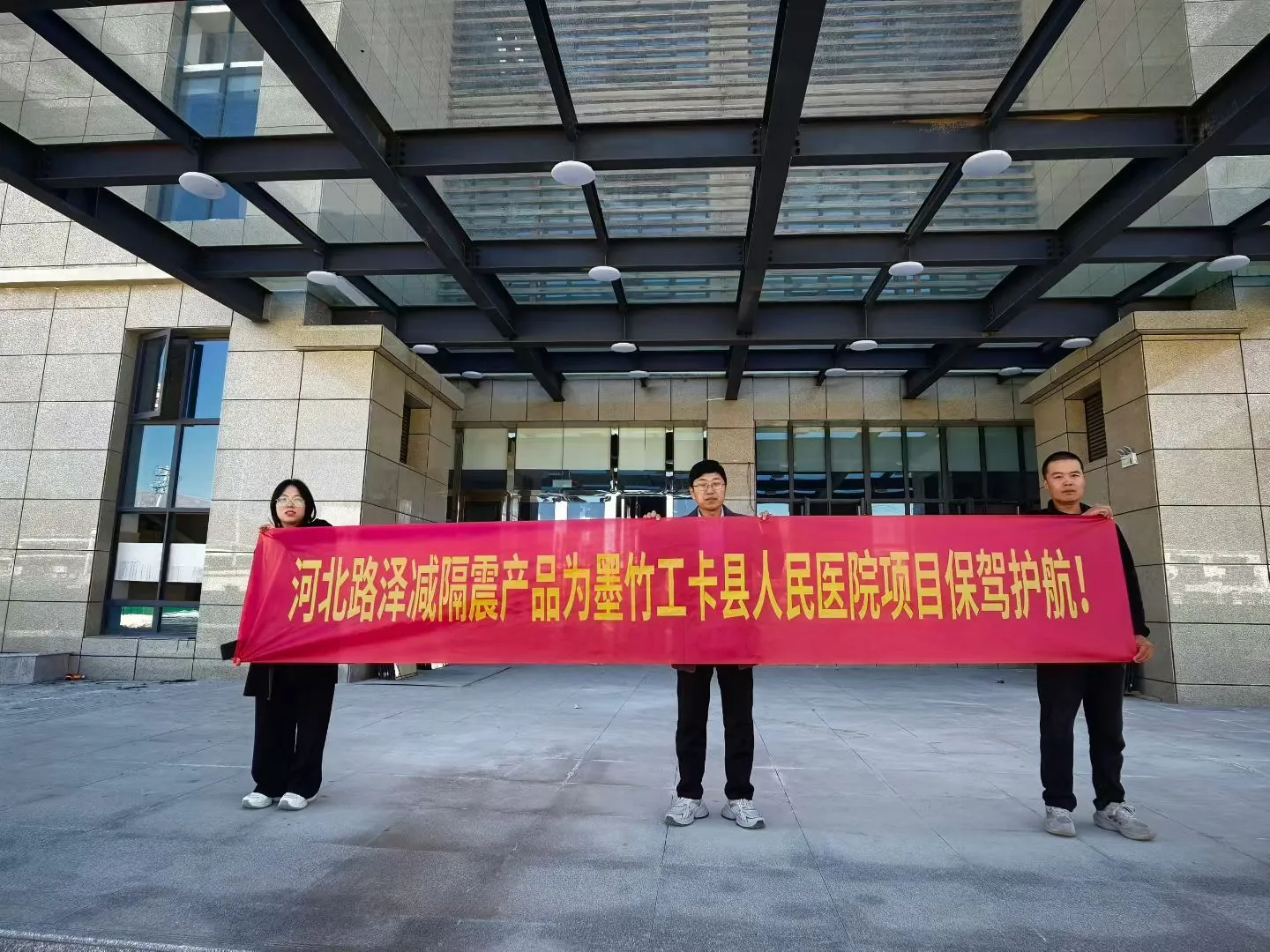
We sincerely appreciate your company's selection of our vibration reduction and seismic isolation rubber bearings. Our technical team will maintain professional, rigorous and responsible working principles to coordinate full installation, construction and after-sales services, securing project construction quality and long-term seismic safety of all finished buildings. Thanks for your trust and business cooperation.