

If you’ve ever worked on infrastructure—whether it’s a skyscraper, a long-span bridge, or a critical industrial facility—you know that even the most well-designed structures can face hidden threats: soil settlement, minor seismic shifts, or gradual wear from heavy, repeated loads. That’s where elastic sliding bearings come in. As a supplier of these components, I’ve spent years answering one of the most common questions from engineers, project managers, and maintenance teams: “What is the static load capacity of elastic sliding bearings?” The short answer is that it’s not a one-size-fits-all number—it depends on design, material composition, and intended application—but understanding how it works is key to choosing the right bearing for your project.
First, let’s break down what static load capacity means in this context. Static load refers to the constant, non-moving weight a bearing supports over time: the dead load of a building’s frame, a bridge’s deck, or heavy industrial equipment sitting on a factory floor. Unlike dynamic loads (like seismic activity or wind gusts), static loads don’t shift or fluctuate rapidly, so a bearing’s static capacity must be high enough to prevent deformation, slippage, or failure when supporting this permanent weight. For elastic sliding bearings, this capacity is a balance between two core properties: elasticity (the ability to flex slightly under load and return to shape) and sliding (the ability to move gently when needed to accommodate structural shifts).

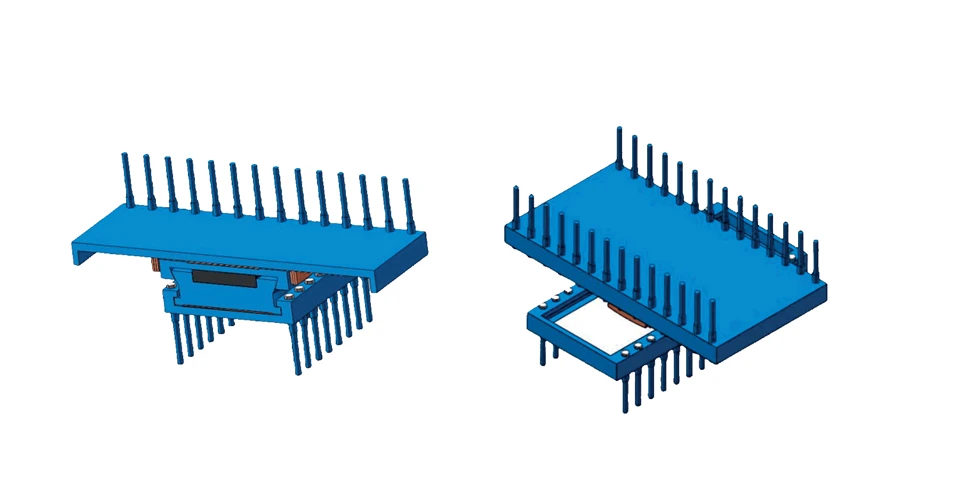
Let’s dive into the technical details. Most standard elastic sliding bearings use a laminated design: alternating layers of natural or synthetic rubber, bonded with steel shims. The steel shims add rigidity to resist compression, while the rubber provides elasticity to absorb minor vibrations and adjust to uneven load distribution. The sliding surface is usually a low-friction material like PTFE (polytetrafluoroethylene), which allows controlled movement without sacrificing load support.
Static load capacity for these bearings is measured in kilonewtons (kN) or tons-force (tf), and it’s determined through rigorous testing. During testing, engineers apply a gradual, continuous load to the bearing until it shows signs of failure—whether that’s excessive rubber compression, delamination of layers, or breakdown of the sliding surface. For our standard line of elastic sliding bearings, the static capacity ranges from 50 kN (about 5 tons) for small applications, up to 10,000 kN (over 1,000 tons) for large-scale projects like major bridges or high-rise foundations. But it’s important to note that this range isn’t arbitrary: it’s tailored to common use cases, but we also custom-engineer bearings for loads outside this spectrum.
Wait, it’s easy to confuse elastic sliding bearings with other seismic isolation products, which is why I often clarify the difference. For example, tension resistant friction pendulum bearings are designed specifically to handle uplift loads (a common risk in areas with severe seismic activity, where structures can be pulled away from their foundations during shaking). While they do have static load ratings, their primary strength lies in their ability to resist tension, which sets them apart from standard elastic sliding bearings that are optimized for downward static loads. Similarly, lead rubber bearings use a lead core to dissipate seismic energy, but their static capacity focuses on supporting weight without the same sliding flexibility as elastic sliding bearings.
Another common point of confusion is between elastic sliding bearings and anti-overturning elastomeric seismic isolation bearings. Anti-overturning bearings are built to resist tipping, so their static capacity includes a factor of safety for moment loads (the force that causes overturning) as well as vertical weight. Elastic sliding bearings, by contrast, prioritize linear load support and controlled horizontal movement, making them ideal for projects where minimal structural shift over the life of the component is acceptable, and seismic isolation is secondary to static load performance.
For lighter, more flexible applications, engineers often use linear natural rubber seismic isolation bearings (LNRs). These bearings have lower static capacity than elastic sliding bearings, typically ranging from 10 kN to 500 kN, but they excel at damping vibrations from everyday use, like traffic on a bridge or factory machinery. If you’re working on a small bridge or a warehouse with light equipment, an LNR might be a better fit than a heavy-duty elastic sliding bearing. That said, for medium to heavy static loads—like a 10-story office building or a long-span highway bridge—elastic sliding bearings offer the right balance of capacity, elasticity, and sliding performance.
Laminated rubber bearings, too, are often compared to elastic sliding bearings, though they lack the sliding surface that defines elastic sliding designs. Laminated rubber bearings rely solely on the rubber and steel layers to support load and accommodate minor movement, so their static capacity is based on the number and thickness of rubber layers. Elastic sliding bearings, with their PTFE sliding surface, can support higher static loads while allowing for controlled lateral movement, making them more versatile for projects that need both load support and seismic or thermal movement.
Now, let’s talk about factors that affect static load capacity. It’s not just about the size of the bearing—material choice plays a big role. Natural rubber, for example, has excellent elasticity and resistance to compression set (permanent deformation), so it can support higher static loads over longer periods. Synthetic rubbers, like neoprene, are more resistant to oils and chemicals, making them better for industrial environments, but their static load capacity is slightly lower than natural rubber for the same size.
The number of steel shims is another factor: more shims mean greater rigidity, which translates to higher static load capacity. But there’s a limit to how many shims you can add—too many make the bearing too stiff, losing the elasticity that’s key to its function. We work closely with each client to strike that balance: for example, a bearing supporting a heavy bridge deck needs enough steel shims to handle the load, but enough rubber to adjust to small settlements over time.
Installation also impacts static load capacity. Even a perfectly engineered bearing won’t perform as intended if it’s misaligned during installation. We provide detailed installation guides for every product we supply, and our team offers on-site support for large projects to ensure bearings are seated correctly, with no uneven pressure that could reduce their effective static capacity. Regular maintenance—like inspecting the sliding surface for debris or checking for rubber degradation—also helps preserve static capacity over the bearing’s 30+ year design life.
I’ve seen firsthand what happens when static load capacity isn’t considered correctly. A few years ago, a project team tried to use standard elastomeric bearings for a heavy industrial facility, underestimating the static load from the equipment they were installing. Within two years, the bearings were showing signs of excessive compression, leading to uneven floor levels and costly repairs. By switching to our heavy-duty elastic sliding bearings, which had a static capacity rated for twice the expected load, the facility has operated without issues for over a decade. That’s why we always emphasize that static load capacity isn’t just a technical spec—it’s a critical factor in the long-term safety and cost-effectiveness of your project.
If you’re in the process of selecting bearings for a new build or a retrofit, don’t hesitate to reach out to our team. We’ve worked on projects across sectors, from small pedestrian bridges to high-rise residential towers, and we can help you calculate the exact static load capacity you need, as well as recommend any complementary products that might suit your project. Whether you need a standard bearing for a routine application or a custom-engineered solution for a unique load, we have the expertise to deliver.
For more information on the products mentioned in this post, you can learn more about tension resistant friction pendulum bearings, lead rubber bearings, anti-overturning elastomeric seismic isolation bearings, linear natural rubber seismic isolation bearings (LNR), and laminated rubber bearing for high bridges on our website.
As a supplier, our goal is to make the selection process as straightforward as possible, cutting through industry jargon to help you choose the right bearing that meets your static load needs and project requirements. Whether you’re an engineer, contractor, or project owner, we’re here to answer any questions you have about static load capacity, bearing design, or installation best practices.
We look forward to discussing your upcoming projects and how our elastic sliding bearings can support your needs.
References
- American Association of State Highway and Transportation Officials (AASHTO). (2020). LRFD Bridge Design Specifications, 8th Edition. Washington, D.C.: AASHTO.
- International Organization for Standardization (ISO). (2018). ISO 10407: Rubber-bonded steel bearing pads for bridges. Geneva, Switzerland: ISO.
- Skinner, R. I., Robinson, W. H., & McVerry, G. H. (2000). An Introduction to Seismic Isolation. Chichester, UK: John Wiley & Sons.
- Taylor Devices, Inc. (2019). Elastic Sliding Bearings: Design, Testing, and Application. North Tonawanda, NY: Taylor Devices.
- Federal Highway Administration (FHWA). (2021). Seismic Isolation for Highway Bridges: A Design Guide. Washington, D.C.: FHWA.